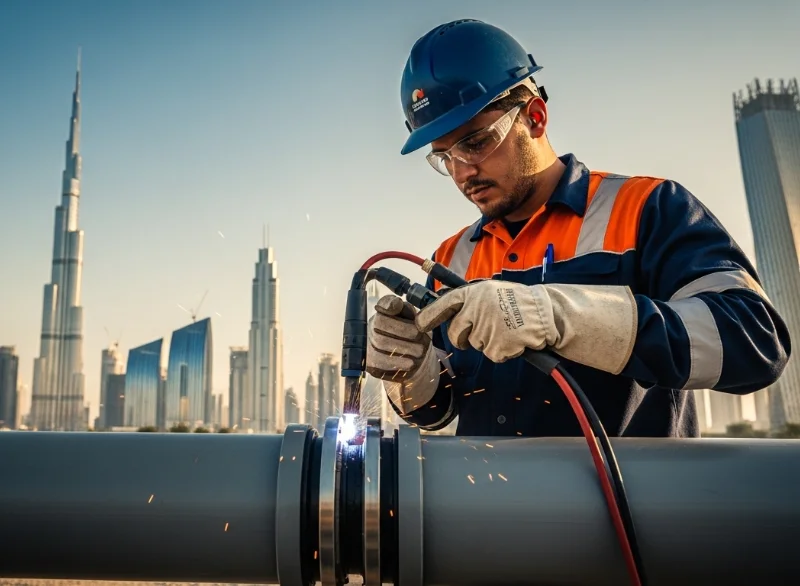
How HDPE Pipe Repair in Dubai Protects Your Pipeline
HDPE pipe repair in Dubai is no longer a niche service, it is an essential part of modern infrastructure maintenance. Whether you manage a residential complex, commercial facility, or industrial plant, your HDPE pipeline system is the silent backbone of your water and drainage networks. When a pipe cracks, leaks, or corrodes, the damage can escalate fast. Understanding what causes pipeline failures and how professional HDPE pipe repair works can save you significant time, money, and disruption. This guide covers everything property owners and facility managers need to know.
Key Takeaways
- HDPE pipe repair in Dubai addresses leaks, joint failures, and pressure loss across residential and commercial pipelines.
- Professional repair techniques including electrofusion, butt fusion, and mechanical repair clamps restore pipeline integrity without requiring full system replacement.
- Choosing a qualified service provider ensures compliance with UAE infrastructure standards and delivers long-term system performance.
What Is HDPE and Why Does It Need Repair?
HDPE (High-Density Polyethylene) is one of the most widely used pipe materials in the UAE’s water supply and drainage infrastructure. It is prized for its flexibility, chemical resistance, and long service life. However, no material lasts forever, and even high-performing HDPE systems will eventually require professional attention.
HDPE pipes can be damaged by UV exposure, physical impact, improper installation, ground movement, or excessive operating pressure. In Dubai’s extreme heat, pipe joints can loosen over time. Poorly installed fittings are another common culprit. When these issues arise, prompt professional repair prevents minor leaks from turning into costly failures. Early intervention also extends the system’s overall lifespan, reducing the need for expensive full-pipe replacements. A clear understanding of how HDPE pipes behave in high-temperature environments helps property managers make proactive and informed maintenance decisions. Freeline’s expert plumbing services in Dubai cover a full range of pipeline repair and maintenance needs tailored specifically to UAE conditions.
Common HDPE Pipe Problems in Dubai’s Climate
Dubai’s climate creates specific challenges for both underground and exposed pipeline systems. Thermal expansion and contraction cycles place repeated stress on pipe joints and fittings. Sand and saline groundwater accelerate corrosion around connection points. Over time, these environmental factors weaken even well-installed systems often without any visible early warning.
The most common issues include pinhole leaks at fusion joints, hairline cracks along pipe walls, sagging or displaced sections due to ground settling, and blockages caused by pipe deformation under thermal stress. Property owners often notice warning signs such as unexplained water pressure drops, wet patches on walls or ground, foul drainage odours, and unusually high water bills. Addressing these symptoms early is critical delayed repairs allow water ingress to damage surrounding structures and result in costly remediation work. Scheduling regular inspections and acting promptly on early symptoms is the most cost-effective strategy for long-term pipeline health. Our HDPE pipe maintenance guide for long-term performance walks you through the routine checks every property manager should schedule.
Professional HDPE Pipe Repair Methods That Work
Not every HDPE pipe problem requires full replacement. Trained specialists use several targeted repair techniques depending on the type and severity of the damage. Selecting the right method requires a professional site assessment, taking into account pipe diameter, depth, access constraints, and operating pressure.
Electrofusion Welding is one of the most reliable methods available. A specialist fitting is slid over the damaged area and electrically heated to fuse with the existing pipe, creating a strong, leak-proof joint. It works well for small cracks, joint failures, and areas where physical access is limited. The process is controlled by a microprocessor, ensuring consistent heat input regardless of ambient temperature conditions.
Butt Fusion Repair involves heating and pressing two pipe ends together under controlled pressure. This method is used when a damaged section must be cut out and replaced with a new segment of pipe. It ensures a molecularly bonded repair with no adhesive or mechanical connection, making it one of the strongest and most permanent repair options available for larger diameter pipes.
Mechanical Couplings and Repair Clamps offer a fast, non-heat repair option. These are ideal for emergency situations where quick action is needed to stop an active leak before a full engineered repair can be planned. They are particularly useful for exposed pipework or above-ground sections where fusion equipment cannot be safely deployed.
Each method requires trained technicians using calibrated equipment. A professional service provider will assess the pipe condition, operating requirements, and surrounding infrastructure before recommending the right approach. For properties dealing with blocked drainage alongside pipe damage, combining HDPE repair with high-pressure drain jetting services in Dubai delivers a comprehensive solution that addresses both structural and flow issues simultaneously.
HDPE Pipe Installation in Dubai: Prevention Over Cure
One of the most effective ways to reduce repair frequency is ensuring that HDPE pipe installation in Dubai is carried out correctly from the outset. Poor installation including incorrect fusion temperatures, insufficient bedding material, or the wrong pipe grade leads to premature failures that even professional repair cannot permanently fix without addressing the root cause.
Correct installation involves selecting the appropriate SDR rating for the required operating pressure, following manufacturer fusion parameters precisely, and ensuring proper trench bedding and backfill. Pipes must also be protected from UV exposure where above-ground runs are unavoidable, and proper expansion loops must be designed into long pipeline runs. Regular inspections in the first two years after installation can catch early-stage issues before they escalate into significant structural damage. Our ultimate guide to HDPE pipe installation covers the full installation best practices for residential and commercial projects across the UAE.
If you are planning new pipeline works alongside repair projects, combining both services under one experienced provider ensures system consistency, material compatibility, and significantly reduced long-term maintenance costs.
Why Choose Expert HDPE Pipe Repair in Abu Dhabi and Dubai?
Whether your project is based in Dubai or requires HDPE pipe repair in Abu Dhabi, local expertise matters greatly. UAE infrastructure projects operate under specific regulatory requirements, and repair specialists who are familiar with local standards ensure all work meets compliance expectations while remaining suitable for the region’s climate and subsurface soil conditions.
Experienced providers bring calibrated fusion equipment, certified technicians, and access to genuine HDPE fittings sourced from approved suppliers. They also conduct post-repair pressure testing to independently verify the integrity of the fix before the system is returned to service. A strong track record in both HDPE pipe repair in Dubai and Abu Dhabi means faster mobilisation, better material sourcing, and dependable after-service support across the Emirates. Read more about why HDPE pipe repair in Abu Dhabi and Dubai is crucial for infrastructure projects to understand the full scope of regulatory, environmental, and performance requirements.
Freeline also offers comprehensive building maintenance services in Dubai that integrate plumbing, pipeline repair, and facility upkeep under a single service framework an ideal arrangement for property managers and facility operators seeking streamlined annual maintenance contracts.
Conclusion
HDPE pipe repair in Dubai is a technical discipline that demands precision, calibrated equipment, and genuine field expertise. From electrofusion welding to mechanical couplings, each repair method must be carefully matched to the condition, diameter, and operating requirements of your pipeline. Acting quickly when warning signs appear prevents small issues from becoming expensive infrastructure failures that disrupt entire facilities. Whether you manage a villa, commercial building, or large industrial complex, partnering with a professional team ensures your pipeline system remains durable, compliant, and efficient for years to come. Contact Freeline today to schedule a pipeline inspection and receive expert HDPE pipe repair and maintenance services across Dubai and the wider UAE.
