
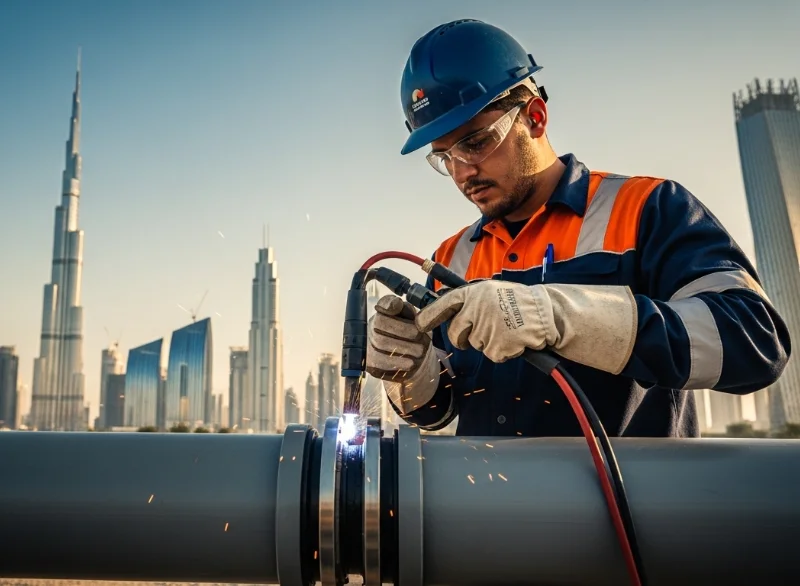
How HDPE Pipe Repair in Dubai Protects Your Pipeline
HDPE pipe repair in Dubai is no longer a niche service, it is an essential part of modern infrastructure maintenance. Whether you manage a residential complex, commercial facility, or industrial plant, your HDPE pipeline system is the silent backbone of your water and drainage networks. When a pipe cracks, leaks, or corrodes, the damage can escalate fast. Understanding what causes pipeline failures and how professional HDPE pipe repair works can save you significant time, money, and disruption. This guide covers everything property owners and facility managers need to know.
Key Takeaways
- HDPE pipe repair in Dubai addresses leaks, joint failures, and pressure loss across residential and commercial pipelines.
- Professional repair techniques including electrofusion, butt fusion, and mechanical repair clamps restore pipeline integrity without requiring full system replacement.
- Choosing a qualified service provider ensures compliance with UAE infrastructure standards and delivers long-term system performance.
What Is HDPE and Why Does It Need Repair?
HDPE (High-Density Polyethylene) is one of the most widely used pipe materials in the UAE’s water supply and drainage infrastructure. It is prized for its flexibility, chemical resistance, and long service life. However, no material lasts forever, and even high-performing HDPE systems will eventually require professional attention.
HDPE pipes can be damaged by UV exposure, physical impact, improper installation, ground movement, or excessive operating pressure. In Dubai’s extreme heat, pipe joints can loosen over time. Poorly installed fittings are another common culprit. When these issues arise, prompt professional repair prevents minor leaks from turning into costly failures. Early intervention also extends the system’s overall lifespan, reducing the need for expensive full-pipe replacements. A clear understanding of how HDPE pipes behave in high-temperature environments helps property managers make proactive and informed maintenance decisions. Freeline’s expert plumbing services in Dubai cover a full range of pipeline repair and maintenance needs tailored specifically to UAE conditions.
Common HDPE Pipe Problems in Dubai’s Climate
Dubai’s climate creates specific challenges for both underground and exposed pipeline systems. Thermal expansion and contraction cycles place repeated stress on pipe joints and fittings. Sand and saline groundwater accelerate corrosion around connection points. Over time, these environmental factors weaken even well-installed systems often without any visible early warning.
The most common issues include pinhole leaks at fusion joints, hairline cracks along pipe walls, sagging or displaced sections due to ground settling, and blockages caused by pipe deformation under thermal stress. Property owners often notice warning signs such as unexplained water pressure drops, wet patches on walls or ground, foul drainage odours, and unusually high water bills. Addressing these symptoms early is critical delayed repairs allow water ingress to damage surrounding structures and result in costly remediation work. Scheduling regular inspections and acting promptly on early symptoms is the most cost-effective strategy for long-term pipeline health. Our HDPE pipe maintenance guide for long-term performance walks you through the routine checks every property manager should schedule.
Professional HDPE Pipe Repair Methods That Work
Not every HDPE pipe problem requires full replacement. Trained specialists use several targeted repair techniques depending on the type and severity of the damage. Selecting the right method requires a professional site assessment, taking into account pipe diameter, depth, access constraints, and operating pressure.
Electrofusion Welding is one of the most reliable methods available. A specialist fitting is slid over the damaged area and electrically heated to fuse with the existing pipe, creating a strong, leak-proof joint. It works well for small cracks, joint failures, and areas where physical access is limited. The process is controlled by a microprocessor, ensuring consistent heat input regardless of ambient temperature conditions.
Butt Fusion Repair involves heating and pressing two pipe ends together under controlled pressure. This method is used when a damaged section must be cut out and replaced with a new segment of pipe. It ensures a molecularly bonded repair with no adhesive or mechanical connection, making it one of the strongest and most permanent repair options available for larger diameter pipes.
Mechanical Couplings and Repair Clamps offer a fast, non-heat repair option. These are ideal for emergency situations where quick action is needed to stop an active leak before a full engineered repair can be planned. They are particularly useful for exposed pipework or above-ground sections where fusion equipment cannot be safely deployed.
Each method requires trained technicians using calibrated equipment. A professional service provider will assess the pipe condition, operating requirements, and surrounding infrastructure before recommending the right approach. For properties dealing with blocked drainage alongside pipe damage, combining HDPE repair with high-pressure drain jetting services in Dubai delivers a comprehensive solution that addresses both structural and flow issues simultaneously.
HDPE Pipe Installation in Dubai: Prevention Over Cure
One of the most effective ways to reduce repair frequency is ensuring that HDPE pipe installation in Dubai is carried out correctly from the outset. Poor installation including incorrect fusion temperatures, insufficient bedding material, or the wrong pipe grade leads to premature failures that even professional repair cannot permanently fix without addressing the root cause.
Correct installation involves selecting the appropriate SDR rating for the required operating pressure, following manufacturer fusion parameters precisely, and ensuring proper trench bedding and backfill. Pipes must also be protected from UV exposure where above-ground runs are unavoidable, and proper expansion loops must be designed into long pipeline runs. Regular inspections in the first two years after installation can catch early-stage issues before they escalate into significant structural damage. Our ultimate guide to HDPE pipe installation covers the full installation best practices for residential and commercial projects across the UAE.
If you are planning new pipeline works alongside repair projects, combining both services under one experienced provider ensures system consistency, material compatibility, and significantly reduced long-term maintenance costs.
Why Choose Expert HDPE Pipe Repair in Abu Dhabi and Dubai?
Whether your project is based in Dubai or requires HDPE pipe repair in Abu Dhabi, local expertise matters greatly. UAE infrastructure projects operate under specific regulatory requirements, and repair specialists who are familiar with local standards ensure all work meets compliance expectations while remaining suitable for the region’s climate and subsurface soil conditions.
Experienced providers bring calibrated fusion equipment, certified technicians, and access to genuine HDPE fittings sourced from approved suppliers. They also conduct post-repair pressure testing to independently verify the integrity of the fix before the system is returned to service. A strong track record in both HDPE pipe repair in Dubai and Abu Dhabi means faster mobilisation, better material sourcing, and dependable after-service support across the Emirates. Read more about why HDPE pipe repair in Abu Dhabi and Dubai is crucial for infrastructure projects to understand the full scope of regulatory, environmental, and performance requirements.
Freeline also offers comprehensive building maintenance services in Dubai that integrate plumbing, pipeline repair, and facility upkeep under a single service framework an ideal arrangement for property managers and facility operators seeking streamlined annual maintenance contracts.
Conclusion
HDPE pipe repair in Dubai is a technical discipline that demands precision, calibrated equipment, and genuine field expertise. From electrofusion welding to mechanical couplings, each repair method must be carefully matched to the condition, diameter, and operating requirements of your pipeline. Acting quickly when warning signs appear prevents small issues from becoming expensive infrastructure failures that disrupt entire facilities. Whether you manage a villa, commercial building, or large industrial complex, partnering with a professional team ensures your pipeline system remains durable, compliant, and efficient for years to come. Contact Freeline today to schedule a pipeline inspection and receive expert HDPE pipe repair and maintenance services across Dubai and the wider UAE.
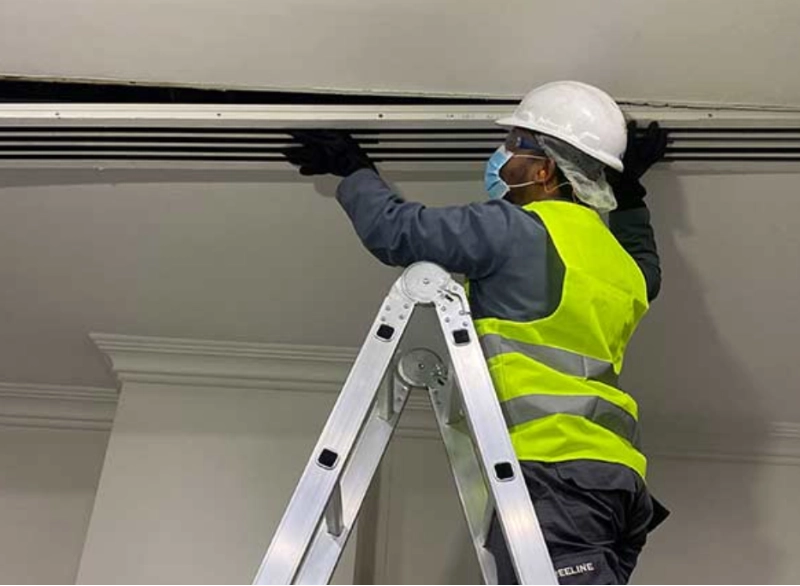
How AC Duct Cleaning in Dubai Improves Air Quality in Homes and Offices
Introduction
The air inside your home or office may be more polluted than you think. In Dubai’s desert environment, dust, sand particles, and high humidity create the ideal conditions for contaminants to accumulate inside air ducts. AC duct cleaning in Dubai is no longer optional — it is a critical maintenance step that directly affects the health and comfort of every person in the building. This guide explains how clean ducts lead to cleaner air, and why property owners across the UAE are making it a regular priority.
Key Takeaways
- Dirty air ducts recirculate dust, allergens, and mould spores throughout your property, worsening indoor air quality.
- Regular AC duct cleaning in Dubai reduces health risks, improves system efficiency, and lowers energy bills.
- Both homes and commercial offices benefit significantly from scheduled duct cleaning, especially in Dubai’s harsh climate.
Why Dubai’s Climate Makes AC Duct Cleaning Essential
Dubai’s environment creates a perfect storm for duct contamination that most residents overlook.
The UAE’s combination of desert dust, high humidity, and near year-round air conditioning use means that contaminants build up inside ducts at a much faster rate than in cooler climates. Fine sand particles enter the system daily, while moisture from humidity creates conditions where mould and bacteria can thrive. When ducts are not cleaned regularly, the AC system essentially becomes a vehicle for distributing these contaminants into every room. Research consistently shows that indoor air quality has a direct impact on respiratory health, productivity, and overall well-being — making duct hygiene a serious concern for both families and facility managers. Given that most residents in Dubai spend the majority of their time indoors with windows closed, the stakes are even higher. In fact, studies suggest that indoor air can be up to five times more polluted than outdoor air when ventilation systems are not properly maintained — a striking reality that underscores the urgency of regular AC duct cleaning.
What Actually Happens During AC Duct Cleaning?
Understanding the process helps property owners appreciate the value of professional service.
Professional AC duct cleaning services in Dubai begin with a thorough inspection of the entire duct network, often using cameras to identify blockages, mould growth, or damage. Technicians then use high-powered vacuums and rotary brushes to dislodge and remove accumulated debris from supply and return ducts, grilles, and diffusers. The process also includes cleaning the evaporator coil and drain pan, which are common breeding grounds for microbial growth. Sanitisation sprays approved for HVAC systems are applied at the end to eliminate residual bacteria and fungi. A complete clean typically takes two to four hours for a standard residential unit and longer for large commercial systems. Throughout the process, technicians seal off vents to maintain negative air pressure, ensuring that dislodged contaminants are captured and removed entirely from the building rather than redistributed. This controlled approach is what separates a professional service from a superficial DIY attempt.
Key Benefits of AC Duct Cleaning for Homes and Offices
Clean ducts deliver measurable improvements to health, comfort, and running costs.
Improved Indoor Air Quality
The most immediate benefit is fresher, cleaner air. Once contaminants are removed from the duct system, the AC no longer recirculates dust, pet dander, pollen, or mould spores. Residents with asthma, allergies, or other respiratory conditions often notice relief within days of a professional clean. Understanding the 5 health risks of dirty air ducts highlights just how serious the consequences of neglect can be.
Better Energy Efficiency
Clogged ducts force the AC system to work harder to push air through the network. This directly increases power consumption and puts strain on system components. A clean duct system allows air to flow freely, reducing energy usage and extending the life of the entire unit. In Dubai, where AC systems run almost continuously from April through October, the savings on electricity bills can be substantial over a full year. Regular cleaning also prevents the gradual efficiency loss that most property owners do not notice until their bills have climbed significantly.
Reduced Odours and a Healthier Environment
Accumulated dust, mould, and biological debris create stale or musty odours that no amount of air freshener can mask. Removing these deposits at the source eliminates unpleasant smells permanently. For offices, this translates into a more professional environment and improved staff comfort. Enhancing air quality with proper HVAC maintenance is proven to reduce sick days and support employee productivity in commercial settings.
Extended AC System Lifespan
Dust build-up inside the system increases wear on fans, motors, and coils. Regular duct cleaning reduces mechanical stress, helping the system last longer and reducing the frequency of costly breakdowns. The impact of HVAC and AC maintenance on indoor air quality is well established — clean systems perform better, break down less, and consume less energy.
How Often Should You Schedule AC Duct Cleaning in Dubai?
Frequency depends on property type, usage, and environmental exposure.
As a general guideline, residential properties in Dubai should schedule AC duct cleaning every one to two years. However, if you have pets, young children, elderly residents, or anyone with respiratory sensitivities in the home, annual cleaning is advisable. Commercial properties — especially offices, restaurants, and retail spaces — benefit from cleaning every six to twelve months due to higher footfall and continuous system operation. After renovation or construction work, an immediate duct clean is strongly recommended, as building dust is among the most harmful contaminants to enter an HVAC system. Properties near construction sites or open desert areas may need more frequent attention, as fine particulate matter enters the building envelope at a higher rate. Pairing duct cleaning with a comprehensive HVAC maintenance service ensures your entire system — not just the ducts — is operating efficiently and safely throughout the year.
Choosing the Right AC Duct Cleaning Services in Dubai
Not all duct cleaning providers offer the same standard of service — knowing what to look for protects your investment.
When selecting a provider for ac duct cleaning services in Dubai, look for technicians who use NADCA-approved methods, negative air pressure vacuums, and EPA-registered sanitisers. Ask whether the service includes a pre- and post-inspection and whether the provider offers a written report of findings. Pricing should be transparent, with no hidden charges for sanitisation or coil cleaning. For property owners in Abu Dhabi, duct cleaning Abu Dhabi services follow the same standards and are equally important given the emirate’s similar environmental conditions. Always request proof of insurance and confirm that technicians are trained to work on your specific AC system type — whether split unit, central system, or chiller-based. A reputable provider will also advise on maintenance intervals tailored to your property size and usage, helping you plan ahead rather than react to problems. Taking the time to vet your provider properly ensures you receive lasting results, not just a surface-level clean.
Conclusion
AC duct cleaning in Dubai is one of the most impactful steps you can take for the health and comfort of everyone who lives or works in your property. From removing harmful allergens and mould to cutting energy costs and extending system life, the benefits are both immediate and long-term. Dubai’s climate demands regular attention to duct hygiene — ignoring it puts both people and equipment at risk. Property managers who invest in scheduled duct maintenance avoid costly emergency repairs and create environments where occupants genuinely feel the difference. Whether you manage a home, a villa, or a commercial office, scheduling professional duct cleaning is a smart and proactive decision. To learn why Freeline stands out as a trusted provider, visit our guide on why Freeline is a top choice for AC duct cleaning in Dubai and take the first step toward cleaner, healthier air today.
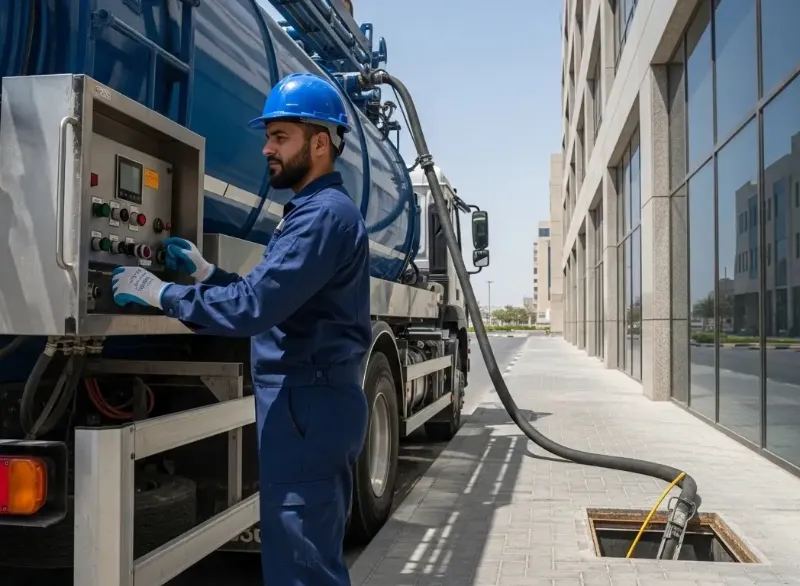
Why Sewage Tank Cleaning in Dubai Is Essential for Proper Waste Management
Dubai’s rapid urban expansion has placed enormous pressure on waste management infrastructure. Residential towers, commercial complexes, and villas all depend on sewage tanks to manage waste effectively. Without regular sewage tank cleaning in Dubai, these tanks quickly become breeding grounds for harmful bacteria, system blockages, and foul odors. Neglected tanks can cause structural damage to pipelines and lead to regulatory violations that carry significant penalties. This blog outlines why consistent sewage tank cleaning is not merely a routine maintenance task — it is a vital requirement for safe, hygienic, and compliant property management across the UAE.
Key Takeaways
- Regular sewage tank cleaning in Dubai prevents dangerous blockages, foul odors, and bacterial contamination.
- Dubai’s extreme heat accelerates sludge buildup, making more frequent servicing essential compared to cooler climates.
- Professional sewage septic tank cleaning ensures safe waste removal, regulatory compliance, and long-term system health.
What Happens When Sewage Tanks Go Without Cleaning
Unclean sewage tanks accumulate sludge, produce toxic gases, and trigger costly system failures if left unattended for extended periods.
Over time, solid waste and sludge settle at the bottom of sewage tanks. As these materials accumulate, they reduce the effective capacity of the tank and create back-pressure in connected drainage lines. Gases such as hydrogen sulphide can build up, posing serious danger to residents, maintenance workers, and nearby occupants. In Dubai’s warm climate, decomposition rates are significantly faster than in cooler regions, meaning tanks reach critical levels well ahead of schedule. Routine sewage tank cleaning in Dubai helps avoid these risks and preserves the structural integrity of your plumbing and drainage systems.
Key consequences of skipping regular tank cleaning include:
- Overflow and backflow: Accumulated sludge reduces tank capacity, increasing the likelihood of wastewater overflow.
- Pipe deterioration: Corrosive gases and solid waste put pressure on pipeline walls, accelerating wear.
- Foul odors: Decomposing waste generates persistent smells that affect the comfort of all building occupants.
- Regulatory penalties: Dubai Municipality enforces strict sanitation standards; non-compliance can result in significant fines.
Health and Environmental Risks of Neglected Sewage Tanks
Poorly maintained sewage tanks release harmful contaminants that threaten human health and local water sources in the UAE.
When sewage tanks are not cleaned regularly, bacterial growth intensifies dramatically within a short time. Pathogens such as E. coli, salmonella, and other harmful microorganisms can leach into surrounding soil or groundwater, threatening both human health and local ecosystems. In densely populated Dubai neighbourhoods, this contamination risk is particularly serious. Residents near affected properties may experience respiratory issues, skin infections, and gastrointestinal illnesses. A blocked septic sewage tank can cause wastewater to surface above ground, creating dangerously unsanitary conditions and triggering costly emergency interventions. Scheduling professional sewage septic tank cleaning on a regular basis is always safer and more cost-effective than managing the aftermath of a contamination event.
According to the World Health Organization, inadequate sanitation is linked to the transmission of diseases including cholera, dysentery, and typhoid fever — all preventable with proper sewage management. In a city as dynamic as Dubai, maintaining clean and functional waste systems is not a luxury — it is a public health obligation.
How Sewage Tank Cleaning Works in Dubai
Professional sewage tank cleaning involves sludge removal, pressure washing, and tank inspection to restore full functionality and hygiene.
Understanding the professional cleaning process helps property owners set the right expectations and timelines. A licensed technician first assesses the tank’s fill level and overall condition. Powerful vacuum tankers are then deployed to remove accumulated sludge and liquid waste from the tank cavity. The interior walls are pressure-washed to eliminate residue and biofilm buildup. In cases of stubborn blockages or restricted pipelines, high-pressure water jetting is applied to dislodge debris and restore full flow capacity. A post-cleaning inspection confirms the tank and all connected pipelines are fully operational before the technician leaves the site.
It is also worth noting that reputable service providers in Dubai dispose of extracted waste in accordance with Dubai Municipality-approved disposal facilities. This ensures that hazardous sewage waste does not contaminate local environments during or after the cleaning process. For a detailed breakdown of each step, you can review how sewage tanks are professionally cleaned to understand what a thorough service entails. Choosing a provider with the right equipment and trained technicians makes a significant difference in the quality and longevity of results.
Why Dubai’s Climate Makes Cleaning Even More Urgent
Dubai’s extreme heat accelerates bacterial activity and sludge buildup, making frequent sewage septic tank cleaning a non-negotiable priority.
Dubai’s extreme heat creates ideal conditions for rapid microbial growth inside sewage tanks. During summer months, temperatures can exceed 45°C, significantly accelerating the decomposition of organic matter within the tank. This means sludge levels rise faster, foul odors intensify more quickly, and the risk of toxic gas buildup is considerably higher than in temperate regions. Property managers who follow cleaning schedules designed for cooler climates often find their tanks reaching critical levels ahead of schedule.
This climatic reality means that a cleaning frequency appropriate for European or North American properties may be entirely inadequate for buildings in the UAE. Adapting your septic tank cleaning schedule to account for Dubai’s temperatures is essential for keeping your waste management system safe and functional throughout the year. Routine sewage tank cleaning in Dubai, combined with proper inspection, is the most effective way to stay ahead of climate-driven sludge accumulation. Proactive scheduling — rather than reactive emergency servicing — is always the smarter and more cost-efficient approach for property owners and facility managers in the region.
Warning Signs Your Sewage Tank Needs Immediate Attention
Foul odors, slow drainage, and gurgling pipes are early warning signs that your sewage tank requires urgent cleaning and inspection.
Knowing when to call a professional can prevent minor issues from escalating into costly emergencies. Persistent foul smells around drainage points or outside your building are the most obvious indicator that your tank requires immediate sewage tank cleaning. Slow-draining sinks, bathtubs, or floor drains — especially when multiple fixtures are affected simultaneously — suggest the tank is nearing or exceeding capacity. Gurgling sounds from pipelines and recurring plumbing issues are additional warning signs that should never be ignored.
Common indicators that require urgent action include:
- Multiple slow drains: When more than one fixture drains slowly at the same time, the tank is likely full.
- Sewage odors indoors or outdoors: A reliable sign that gases are escaping through blocked or damaged tank vents.
- Wastewater pooling outdoors: If liquid waste is surfacing near your property, the system has likely overflowed.
- Unusual sounds from pipes: Gurgling or bubbling noises indicate trapped air caused by blockages or a full tank.
Addressing these signs early significantly reduces repair costs and prevents a full system failure that could disrupt your property’s operations for days.
Choosing the Right Sewage Tank Cleaning Service in Dubai
The right service provider combines licensed technicians, certified equipment, and Dubai Municipality-compliant waste disposal for complete peace of mind.
Not all service providers offer the same level of expertise, equipment, or compliance standards. When selecting a sewage tank cleaning company in Dubai, look for providers who use certified vacuum tankers and follow Dubai Municipality disposal guidelines for waste removal. Technicians should be trained, licensed, and equipped to handle both residential and commercial tank sizes. Transparent pricing, clear service agreements, and documented inspection reports are also indicators of a professional and trustworthy provider.
Property owners and facility managers should also inquire about annual maintenance contracts. An AMC for sewage tank cleaning in Dubai ensures scheduled servicing at agreed intervals, helping you avoid emergency call-outs and maintain continuous regulatory compliance. For properties with higher usage, a recurring sewage septic tank cleaning contract offers peace of mind and predictable maintenance budgets. Freeline Maintenance & Services LLC offers comprehensive septic tank cleaning services for residential and commercial properties across Dubai and the wider UAE. Each service is carried out with proper equipment, trained personnel, and a thorough post-cleaning report. Whether you need a one-time clean or a recurring maintenance plan, Freeline provides tailored solutions that keep your property’s waste systems in compliance and in top condition.
Conclusion
Regular sewage tank cleaning in Dubai is a non-negotiable part of responsible property management. From preventing dangerous blockages and toxic gas accumulation to safeguarding public health and meeting Dubai Municipality compliance requirements, consistent maintenance delivers significant long-term benefits. Dubai’s extreme climate accelerates sludge buildup and bacterial growth, making timely sewage septic tank cleaning even more critical for properties across the UAE. Property owners who invest in a structured maintenance schedule avoid costly emergency interventions and protect the value of their assets. Freeline Maintenance & Services LLC provides professional sewage septic tank cleaning solutions designed for the demands of Dubai’s residential and commercial properties. Do not wait for an emergency — schedule your next service with Freeline today and keep your waste management system running safely and efficiently all year round.
Why Professional Plumbing Services in Dubai Are Essential for Every Building
Key Takeaways
- Professional plumbing services in Dubai prevent minor leaks from becoming expensive structural repairs.
- A qualified plumbing company in Dubai ensures full compliance with UAE building codes and municipality standards.
- Emergency plumbing services in Dubai offer rapid response to protect your property from water damage around the clock.
The Real Cost of Ignoring Plumbing Issues in Dubai
Plumbing problems in Dubai rarely stay small. The city’s high-rise buildings, hard water supply, and year-round heat put constant stress on pipes, fixtures, and drainage systems. What starts as a slow drip can develop into a burst pipe, mold growth, or structural water damage — all of which are far more expensive to repair than a timely professional fix.
Property owners in Dubai often underestimate how quickly water damage spreads through walls and flooring. A single undetected leak in a high-rise apartment can damage multiple floors in a matter of hours. Professional plumbing services in Dubai include regular inspections that catch these issues early, saving you significant repair costs and protecting your tenants or employees. According to Dubai Municipality regulations, all building plumbing systems must meet specific installation and maintenance standards. Licensed plumbing professionals ensure your systems remain compliant, avoiding fines and service interruptions.
Common Plumbing Problems in Dubai Buildings
Understanding what can go wrong helps property owners act before small issues turn serious. Substandard plumbing systems in Dubai’s climate are particularly vulnerable to hard water damage and heat stress. Some of the most frequently reported plumbing problems in Dubai include:
- Pipe corrosion and scaling: Hard water is common across the UAE, and mineral deposits gradually corrode pipes and reduce water flow. Without treatment, this leads to leaks, blockages, and reduced water pressure throughout the building.
- Clogged drains: In commercial and residential buildings alike, grease, debris, and scale build up inside drainpipes over time. High-pressure drain line jetting is one of the most effective methods for clearing severe blockages quickly.
- Water heater failures: Dubai’s hard water causes rapid sediment build-up inside water heaters, reducing efficiency and shortening equipment lifespan considerably.
- Leaking fixtures and joints: Daily temperature fluctuations cause joints and fittings to expand and contract, leading to gradual loosening and leaks over time.
If you notice any of these warning signs, do not delay action. Discover the 5 signs you need immediate plumbing service so you know exactly when to call professionals without hesitation.
Why Choose a Professional Plumbing Company in Dubai
Not all plumbing work is equal. DIY repairs and unqualified contractors can create more problems than they solve, especially in complex commercial or multi-story residential buildings. A licensed plumbing company in Dubai brings technical expertise, the right tools, and a strong understanding of UAE building standards — all of which protect your long-term investment.
Professional plumbers in Dubai are trained to work across all building types — villas, apartment blocks, offices, and industrial facilities. They use modern diagnostic equipment to locate leaks and blockages without unnecessary wall or floor damage. Beyond repairs, they also advise on long-term upgrades that improve efficiency and reduce water consumption, which is particularly valuable in a region where water conservation is a national priority.
Working with a qualified plumbing company also means you’re covered if anything goes wrong. Licensed professionals carry insurance and follow strict safety protocols, so your property and its occupants are protected throughout every job. They also stay current with the latest Dubai Municipality guidelines and DEWA regulations, ensuring that every repair and installation meets the standards expected of modern buildings in the UAE. For property managers, this compliance is essential to maintaining occupancy permits and passing routine inspections without delays.
Emergency Plumbing Services in Dubai: Fast Response When It Matters
A burst pipe, sewage backflow, or water heater failure can strike without warning — and in Dubai’s multi-unit buildings, delays can cause damage across multiple floors and units. Emergency plumbing services in Dubai provide a rapid response to stop damage in its tracks and restore normal function as quickly as possible.
Knowing who to call before an emergency happens is critical. Keep the contact details of a reliable plumbing company in Dubai on hand so you’re not wasting precious time searching when disaster strikes. Common plumbing emergencies in Dubai buildings include burst pipes from water pressure surges, sewage backflow due to blocked drainage, sudden loss of water supply caused by valve failures, and major leaks from corroded pipework.
If you’re unsure what qualifies as a plumbing emergency, read this guide to common plumbing issues you shouldn’t ignore so you can act with confidence and avoid unnecessary damage.
Preventive Plumbing Maintenance: The Smartest Investment for Any Building
Preventive maintenance is always more cost-effective than emergency repairs. In Dubai, where buildings endure extreme heat, hard water, and heavy daily usage, a routine plumbing maintenance schedule is essential. Scheduled inspections identify worn components, clear scale build-up, and test water pressure before small issues grow into serious problems that disrupt operations.
Regular maintenance also extends the lifespan of your plumbing infrastructure significantly. Pipes, valves, and water heaters that are serviced consistently last years longer than those that are only repaired when they break down. For commercial buildings and property management companies, this translates directly into lower capital expenditure and fewer tenant complaints — both of which contribute to the long-term profitability of the property.
For property managers and building owners, an Annual Maintenance Contract (AMC) with a qualified provider of plumbing services in Dubai covers scheduled visits and priority emergency callouts, giving you peace of mind throughout the year. It also simplifies financial planning, since unexpected plumbing expenses are one of the most common causes of budget overruns in building management.
For buildings with complex infrastructure pipe networks, professional HDPE pipe installation and maintenance is an important part of long-term plumbing health. HDPE pipes resist corrosion, scale, and chemical damage — making them one of the most durable solutions for Dubai’s environment. Start with proactive habits and learn how to prevent costly plumbing emergencies as a first step toward protecting your building year-round.
Plumbing and Building Maintenance: A Holistic Approach
Plumbing does not operate in isolation. It connects directly to your building’s structural integrity, electrical systems, and overall hygiene. Water leaks can compromise wall insulation, cause electrical hazards, and create conditions for mold and bacteria to thrive — all of which put occupants at risk. Reliable plumbing services in Dubai form the foundation of a safe and well-maintained building, which is why many building managers choose integrated maintenance partners who handle plumbing alongside all other services.
Freeline’s building maintenance services in Dubai provide a comprehensive solution that includes plumbing, electrical, HVAC, and general repairs under one roof. This approach reduces coordination effort, ensures consistent quality, and keeps all your building systems performing reliably year-round.
Conclusion
Whether you manage a villa, apartment block, or commercial property, professional plumbing services in Dubai are not optional — they are essential. From routine maintenance to emergency callouts, having a reliable partner ensures your building runs safely, efficiently, and in full compliance with UAE regulations. The cost of professional plumbing services in Dubai is a fraction of what you’ll pay to repair unchecked water damage or failed infrastructure. Don’t wait for a leak to become a disaster. Partner with a qualified plumbing company in Dubai today and give your property the long-term care it deserves. Contact Freeline to discuss your plumbing needs and get started with a maintenance plan tailored to your building.
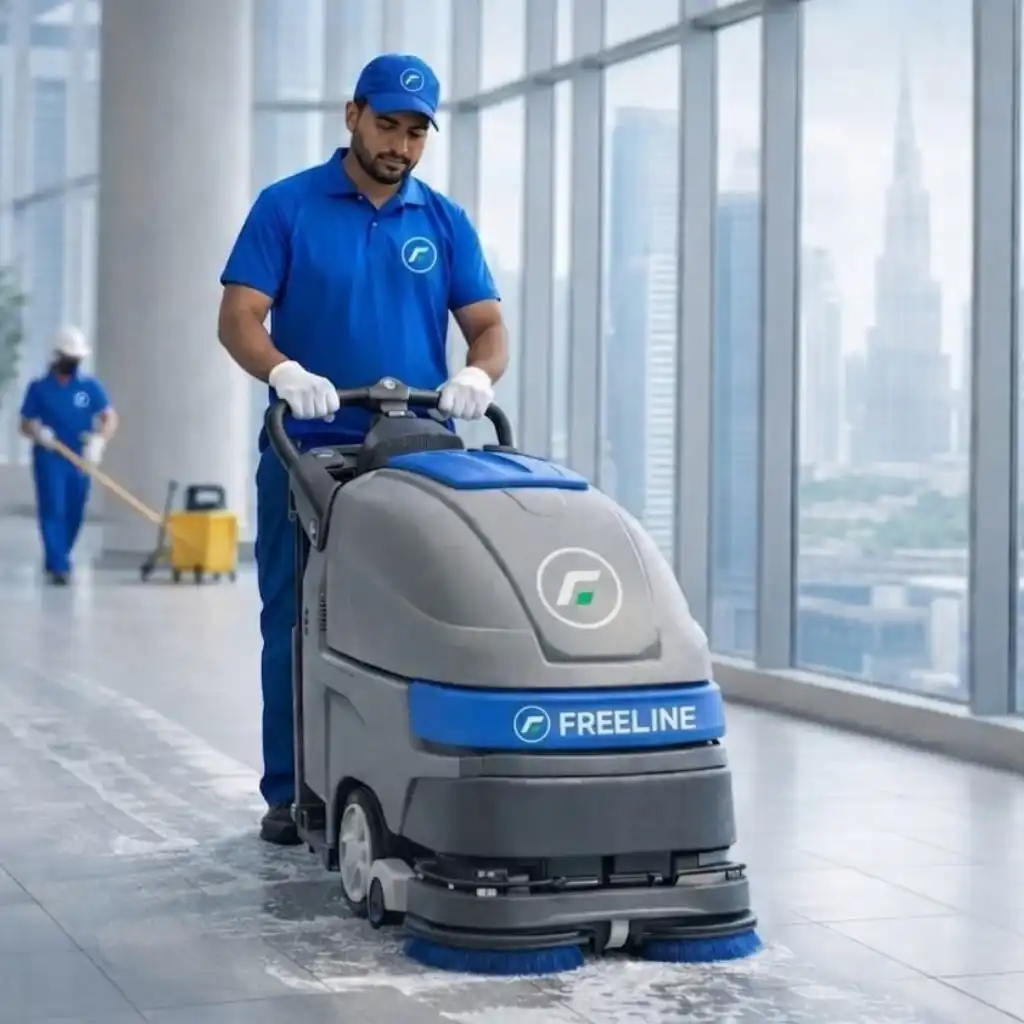
Why Maintenance and Cleaning Services Are Essential for Buildings in UAE
Introduction:
Every building in the UAE faces a unique set of challenges relentless heat, dust storms, high humidity, and heavy daily foot traffic. Without regular maintenance and cleaning services, even well-built structures deteriorate faster than expected. Property owners and facility managers who invest in consistent upkeep protect their assets, ensure occupant health, and stay compliant with UAE regulations. This guide explains exactly why professional maintenance and cleaning is not optional it is essential.
Key Takeaways
- UAE’s extreme climate accelerates building wear, making regular maintenance and cleaning services critical for structural longevity.
- Professional cleaning protects occupant health by reducing dust, allergens, and microbial growth common in high-humidity environments.
- Partnering with the best maintenance company in Dubai ensures compliance with municipal regulations and avoids costly penalties.
How UAE’s Climate Accelerates Building Deterioration
The UAE’s environment is uniquely demanding for buildings. Temperatures regularly exceed 45°C in summer, and fine desert dust penetrates every surface. Combine that with coastal humidity in cities like Dubai and Abu Dhabi, and you have conditions that corrode metals, degrade paint, clog HVAC systems, and weaken structural seals far faster than in temperate climates.
External facades accumulate grime and sand deposits that, if left uncleaned, trap moisture against surfaces and cause long-term damage. External building cleaning is therefore not just aesthetic it actively prevents material degradation. Buildings without scheduled maintenance programs face repair costs up to three times higher over a 10-year period compared to those with consistent upkeep schedules.
Regular inspections and cleaning cycles catch minor issues hairline cracks, blocked drains, rusting fixtures before they evolve into structural problems requiring expensive intervention.
Protecting Occupant Health Through Professional Cleaning
Indoor air quality in UAE buildings is a serious concern. Dust mite populations thrive in air-conditioned environments, and mould can develop rapidly in any area with poor ventilation or water ingress. Commercial spaces with high foot traffic accumulate bacteria on floors, surfaces, and communal touchpoints far faster than in residential settings.
Professional cleaning services use hospital-grade disinfectants, HEPA-filter vacuums, and microfibre technologies that remove up to 99% of surface contaminants performance levels that standard in-house cleaning simply cannot match. In buildings that house restaurants, medical clinics, or childcare centres, this level of hygiene is not just preferable it is mandated by Dubai Municipality health codes.
Facilities that maintain a rigorous cleaning schedule also report lower employee sick days, a measurable productivity benefit for commercial tenants and business owners. If you have questions about what a cleaning programme should cover, reviewing home and commercial cleaning and maintenance FAQs is a practical starting point.
Core Maintenance Services Every UAE Building Needs
A comprehensive maintenance programme covers several critical systems. Neglecting any one of them can trigger a cascade of problems across the rest of the building.
HVAC and Air Conditioning
Air conditioning systems run almost year-round in the UAE, placing extraordinary strain on compressors, filters, and ductwork. Dirty filters reduce efficiency by up to 15%, spike energy consumption, and circulate dust and allergens throughout the building. Scheduled HVAC maintenance in Dubai, including coil cleaning, refrigerant checks, and duct sanitation extends equipment lifespan significantly and keeps energy bills under control.
Electrical Systems
Electrical faults are one of the leading causes of building fires in the UAE. Wiring degrades over time due to heat cycling, and overloaded circuits in commercial properties are a common risk. Periodic inspection and electrical maintenance including thermal imaging scans, circuit testing, and switchboard servicing identify hazards before they become emergencies. Staying compliant with DEWA regulations also depends on having up-to-date electrical maintenance records.
Plumbing and Water Systems
Hard water is prevalent throughout the UAE, and limescale builds up rapidly in pipes, water heaters, and fixtures. Undetected leaks waste thousands of litres of water monthly and cause damp damage to walls, ceilings, and flooring. Scheduled plumbing checks, water tank cleaning, and drain maintenance keep these systems operating cleanly and efficiently throughout the year.
Facade and Common Area Cleaning
The visual presentation of a building directly influences property values and tenant satisfaction. Lobbies, corridors, parking areas, and external facades should be cleaned on a regular schedule. Professional cleaning companies deploy rope-access teams, high-reach equipment, and pressure-washing systems suited to Dubai’s high-rise building stock. This level of access and specialisation is beyond the capability of in-house teams.
The Financial Case for Regular Maintenance and Cleaning
Many property owners view maintenance and cleaning services as an operating cost to minimise. In practice, they are a form of asset protection. Studies in facilities management consistently show that every dirham spent on preventive maintenance saves between three and five dirhams in reactive repair costs. For commercial properties in Dubai, where tenant expectations are high and vacancies are costly, a well-maintained building commands better rental yields and longer tenancy agreements.
Consider a mid-size commercial building in Business Bay. Without an AMC, the landlord responds to faults as they arise a burst pipe one month, a failed AC unit the next. Each incident carries emergency call-out rates and extended downtime for tenants. With a structured maintenance and cleaning contract, the same building operates on a scheduled inspection calendar. Issues are caught early, resolved quickly, and documented for audit purposes. The cumulative saving over 12 months frequently offsets the entire contract cost.
Insurance providers also reward proactive maintenance. Buildings with verified maintenance records typically attract lower premiums, because the risk profile is demonstrably better. For larger commercial landlords managing multiple assets, this premium reduction across a portfolio is a significant financial benefit.
Annual Maintenance Contracts (AMC) offered by reputable service providers provide predictable costs, priority response times, and a documented maintenance history all valuable when renewing insurance policies or managing RERA compliance for residential buildings. Property managers searching for the best cleaning services in Dubai or the best cleaning company in Dubai should prioritise providers that offer bundled AMC packages covering both maintenance and cleaning disciplines under a single agreement.
Choosing the Right Maintenance and Cleaning Partner in UAE
Not all service providers deliver the same standard of work. When evaluating companies, look for licensed contractors registered with the relevant UAE authorities, clearly defined service scopes with measurable KPIs, trained and background-checked technicians, and transparent pricing without hidden call-out charges. The best maintenance company in Dubai will also provide a dedicated account manager, digital job reporting, and scheduled follow-ups rather than a reactive-only model.
Verification of licensing is essential. In Dubai, maintenance companies operating in the property sector should hold a licence from the Dubai Economic Department and, for specific trades such as electrical and plumbing, relevant approvals from DEWA or Dubai Municipality. Always request proof of licensing before signing a contract.
Communication and reporting matter enormously. A quality provider will issue digital service reports after every visit, flag pending issues with recommended timelines, and provide monthly summary reports on building health. This transparency allows property managers to plan capital expenditure and demonstrate due diligence to building owners and insurers alike.
Freeline Maintenance and Services LLC operates across residential and commercial properties in Dubai and the wider UAE. From routine cleaning programmes to full-scope technical maintenance covering electrical, plumbing, HVAC, and facade systems, Freeline offers property owners a single, accountable partner for building upkeep.
Conclusion
Buildings in the UAE face environmental and operational pressures that make maintenance and cleaning services a non-negotiable investment. From protecting structural integrity against the harsh desert climate to safeguarding occupant health and ensuring regulatory compliance, consistent upkeep delivers measurable returns. Whether you manage a residential tower, a commercial office, or a retail facility, partnering with a qualified, reliable maintenance and cleaning services provider keeps your property performing at its best today and for the long term. Contact Freeline today to discuss a tailored maintenance programme for your building.
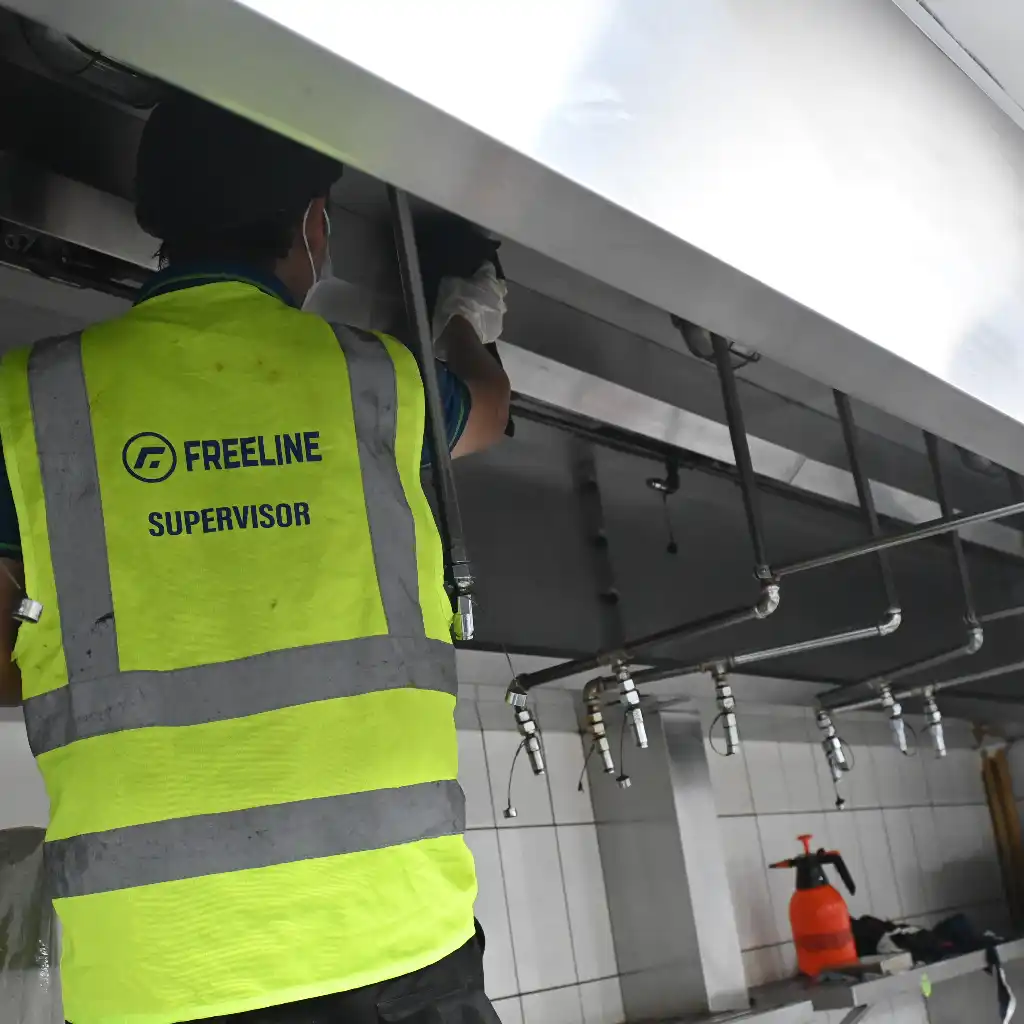
Importance of Kitchen Duct Cleaning for Fire Safety & Hygiene in Commercial Kitchens
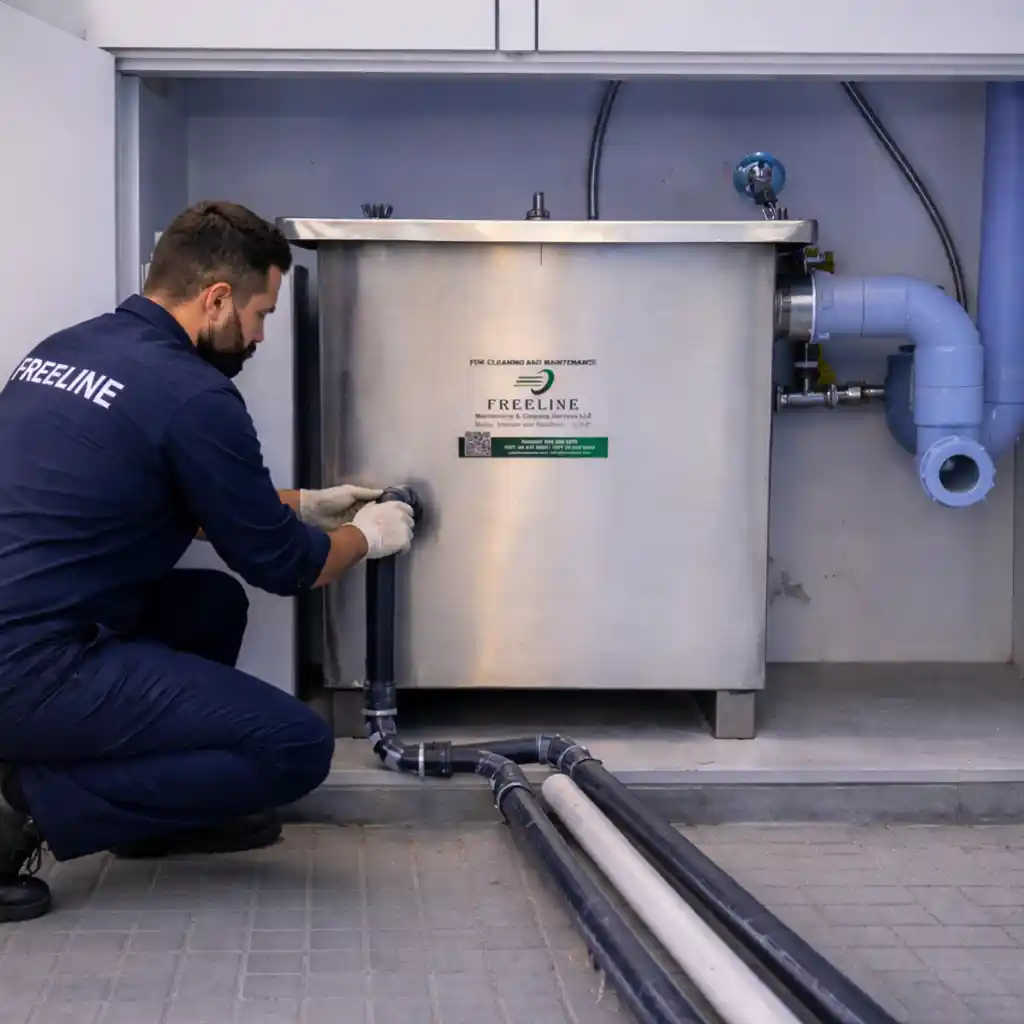
Grease Trap Installation Guide: Protect Your Commercial Kitchen Plumbing
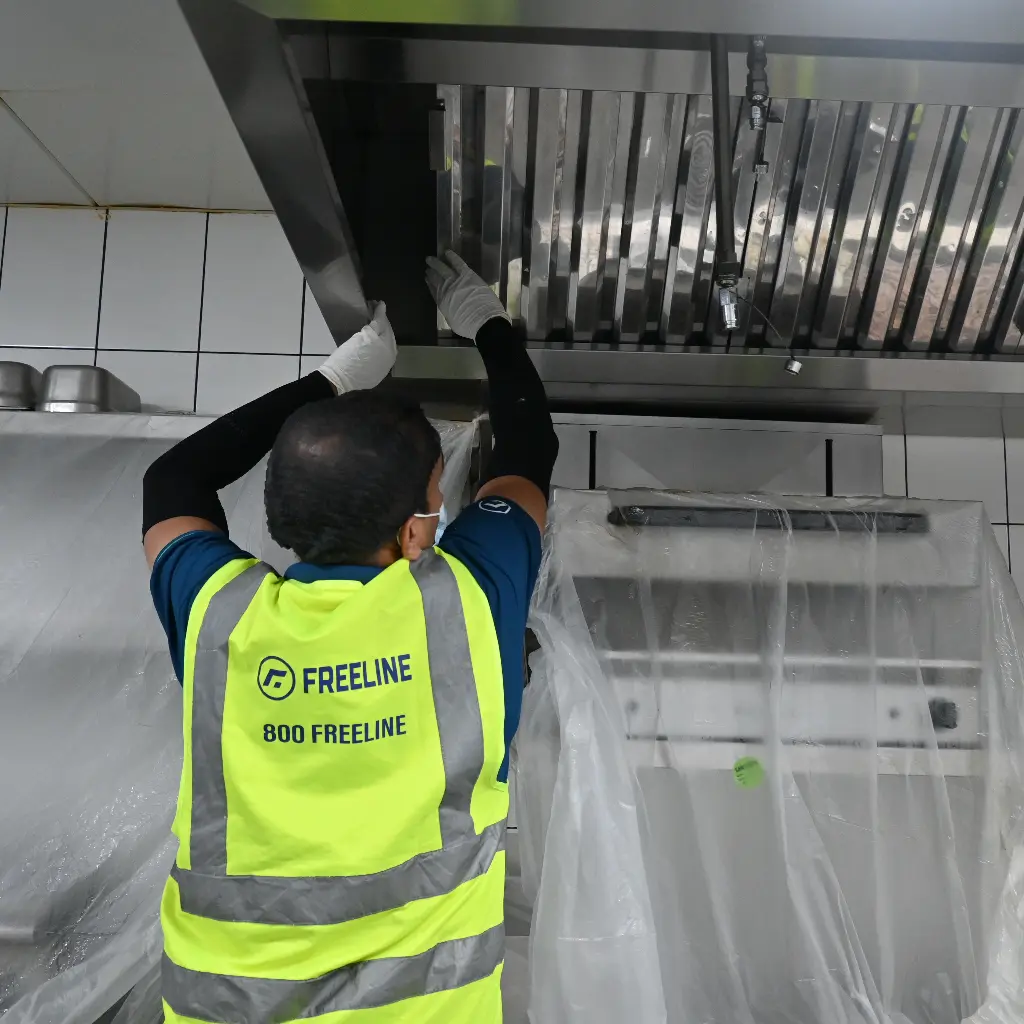
Kitchen Hood Cleaning in Dubai: A Complete Guide for Fire Safety & Compliance
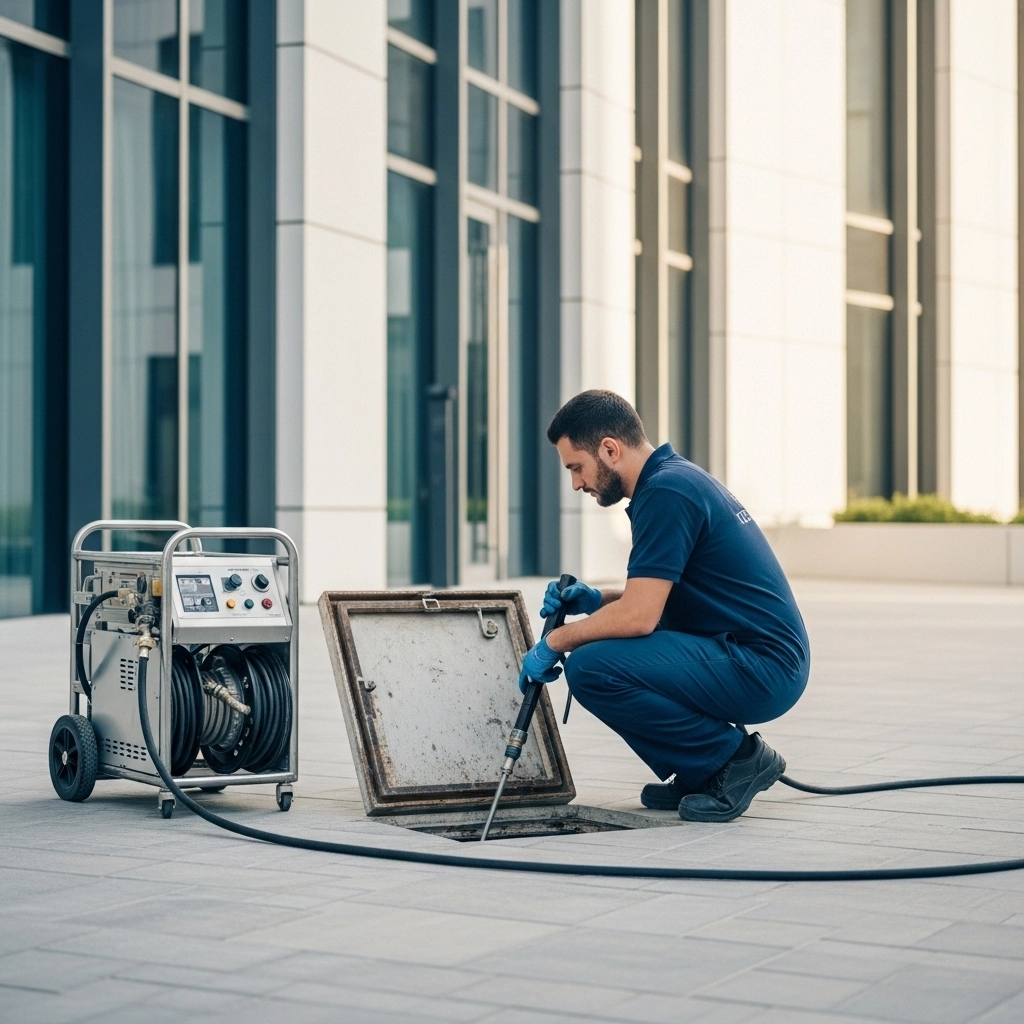
Drain Line Jetting: The Most Effective Solution for Blocked Drains
Blocked drains are one of the most disruptive problems any property owner can face — and in Dubai’s fast-paced environment, you simply cannot afford to wait. Drain line jetting Dubai is the go-to solution for clearing stubborn blockages quickly, safely, and thoroughly. Whether you manage a residential villa, a commercial tower, or a retail outlet, Freeline’s professional drain line jetting service restores full flow to your drainage system without damaging your pipes. In this guide, you will learn exactly how the process works, why blocked drains are so common in UAE properties, and when it is time to call in the experts.
Key Takeaways
- Drain line jetting uses powerful, pressurised water to blast away grease, scale, and debris — far more effectively than chemical cleaners or manual rodding.
- Dubai’s unique climate, hard water supply, and ageing pipe infrastructure make high pressure drain cleaning a routine necessity, not a luxury.
- Scheduling regular sewage line cleaning in UAE properties prevents expensive emergency repairs and keeps your drainage system compliant and odour-free.
What Is Drain Line Jetting and How Does It Work?
Drain line jetting is a high-powered, water-based method that scours the interior walls of drainage pipes to remove blockages completely — not just temporarily.
The process uses a motorised pump to push water through a flexible hose at extremely high pressure — typically between 1,500 and 4,000 PSI, depending on the severity of the blockage and pipe diameter. A specialist nozzle at the end of the hose directs jets of water both forward and backward, cutting through grease, mineral scale, tree roots, and compacted debris that conventional snaking tools simply cannot reach.
Once the obstruction breaks apart, the water flow carries the dislodged material out of the pipe and into the municipal sewer network. The result is a drain that is not just unblocked but genuinely clean — with pipe walls cleared of the build-up that causes recurring clogs. This is why property managers across Dubai increasingly choose professional drain line jetting services in Dubai and Abu Dhabi over quick-fix solutions that only delay the problem.
Why Dubai Properties Face Frequent Drain Blockages
A combination of hard water, high grease usage, and rapid urban development makes blocked drains a persistent challenge across UAE residential and commercial properties.
| Stat | Detail |
| ~500 mg/L | Average total dissolved solids in UAE tap water — well above the 250 mg/L WHO guideline, contributing to heavy scale build-up in pipes. |
| 40°C+ | Summer temperatures that accelerate grease solidification inside drain lines, increasing blockage risk significantly. |
| Up to 80% | Of drain call-outs in commercial kitchens are linked to accumulated grease — a primary driver for high pressure drain cleaning demand. |
Dubai’s mains water supply has one of the highest mineral contents in the world. Over time, calcium and magnesium deposits cling to the inside of drainage pipes, steadily narrowing the channel through which wastewater must pass. When you combine this with the heavy cooking oils common in UAE households and restaurants, the conditions for a serious blockage are created rapidly.
Older buildings — particularly those constructed before the 2000s — often feature smaller-diameter pipework that was not designed to handle today’s water consumption volumes. Rapid population growth and construction activity in areas like Al Quoz, Deira, and Bur Dubai have further strained existing drainage infrastructure. According to Dubai Municipality’s guidelines on drainage and sewerage, property owners have a responsibility to keep their private drainage systems clear and free-flowing. Regular sewage line cleaning UAE-wide is therefore not just good practice — it is a compliance requirement for many building categories.
Recognising the early warning signs can save you from an emergency. If you notice slow-draining sinks, gurgling sounds, or recurring bad odours, check out the top signs that your drain needs professional attention before the situation escalates.
Benefits of High Pressure Drain Cleaning for Homes and Businesses
High pressure drain cleaning delivers long-lasting results, protects pipe integrity, and is safe for both residential and commercial drainage systems when handled by trained professionals.
Unlike chemical drain cleaners that can corrode pipes over repeated use, or manual rodding that may only poke a hole through a blockage, high pressure drain cleaning removes the entire obstruction and leaves the pipe walls spotless. This thorough approach means blockages take far longer to return, reducing the frequency of service calls and the disruption to your daily routine.
Here is what you gain with a professional jetting service:
- Complete blockage removal — grease, scale, roots, and sediment are fully flushed out, not just displaced further down the pipe.
- Improved flow rate — restored pipe diameter means water drains as fast as the day your plumbing was installed.
- Odour elimination — decomposing organic matter trapped in pipes is a primary source of persistent drain smells; jetting removes it entirely.
- Pipe-safe process — modern jetting equipment is calibrated to the pipe material, making it safe for PVC, cast iron, and HDPE drainage systems.
- Cost savings over time — clearing the root cause of a blockage is always cheaper than repairing water damage caused by an overflow. Learn more about how drain line jetting can save time and money for property owners.
For commercial kitchens, restaurants, and food-and-beverage outlets, high pressure drain cleaning is especially valuable. Grease accumulation can be extreme in these environments, and a blocked drain in a kitchen means a mandatory shutdown until the issue is resolved. Scheduling routine jetting — typically every three to six months — keeps operations running without interruption.
When to Schedule Sewage Line Cleaning in UAE Properties
Sewage line cleaning in UAE properties should be treated as preventive maintenance rather than an emergency response — timing makes all the difference to cost and disruption.
Many property owners wait until a drain is fully blocked before calling a professional. By that point, wastewater may already be backing up into sinks, showers, or floor drains — creating a hygiene hazard and potential structural damage. Proactive sewage line cleaning UAE-wide protects your investment and keeps tenants and customers comfortable.
Schedule a professional jetting service in these situations:
- Slow drainage across multiple fixtures simultaneously — a sign the main line is affected.
- Recurring blockages within weeks of a previous manual clearance.
- Foul smells from drain openings that persist despite surface cleaning.
- Visible water stains or damp patches on ground-floor ceilings, indicating backpressure from a blocked drain.
- Before or after major renovation works, when debris may have entered the drain system.
- As part of an Annual Maintenance Contract (AMC) to ensure year-round drainage performance.
Preventive action is significantly cheaper than reactive repair. A blocked sewage line that causes overflow can damage flooring, walls, and electrical systems — all costs that a routine cleaning appointment would have prevented entirely. If your property has experienced repeated plumbing issues, it may also be worth reviewing how to prevent costly plumbing emergencies with a structured maintenance plan.
How Freeline Handles Drain Line Jetting in Dubai
Freeline’s trained technicians use professional-grade jetting equipment and a systematic approach to clear drainage systems thoroughly, with minimal disruption to your property.
Freeline Maintenance & Services LLC serves residential and commercial clients across Dubai and the wider UAE. When you book a drain line jetting appointment, the process begins with a site assessment — technicians inspect the access points, determine the pipe diameter, and identify the likely cause of the blockage. Where necessary, CCTV drain inspection is used to view the inside of the pipe before and after jetting, giving you a clear picture of the condition of your drainage system.
The team then selects the appropriate jetting nozzle and pressure setting for your specific pipework, ensuring thorough cleaning without risk of damage. Once jetting is complete, a post-service check confirms full flow has been restored and there are no secondary blockages further down the line.
Freeline also offers Annual Maintenance Contracts that include scheduled drain jetting at agreed intervals — ideal for multi-unit residential buildings, hotels, restaurants, and commercial facilities. For a detailed breakdown of what a professional service includes, visit our guide to clearing drain clogs fast with high pressure water jetting.
Conclusion
Blocked drains are more than an inconvenience — they are a maintenance problem that worsens every day it goes unaddressed. Drain line jetting Dubai offers the most complete and long-lasting solution available, removing blockages at their source rather than simply masking them. Whether you need an emergency clearance or want to set up a preventive maintenance schedule, Freeline’s professional high pressure drain cleaning and sewage line cleaning UAE services are designed to keep your property running smoothly, year-round. Contact Freeline today to book a drain line jetting assessment and protect your property before a minor drainage issue becomes a major repair.
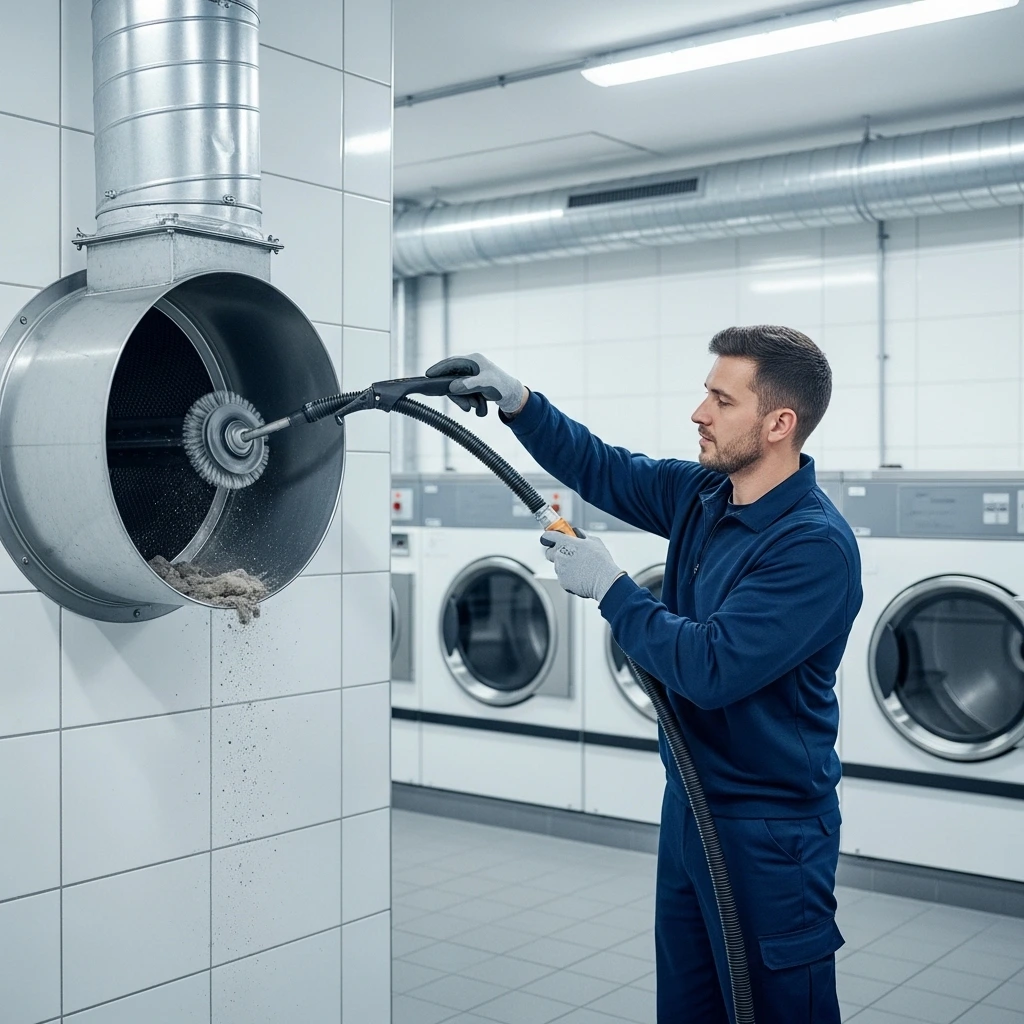
Importance of Laundry Air Duct Cleaning for Hotels & Commercial Facilities
Hotels, hospitals, and commercial laundries run their dryers for hours every day — and that creates a serious, often invisible problem. Laundry air duct cleaning is one of the most overlooked maintenance tasks in the hospitality and facilities management industry. Lint, debris, and moisture accumulate inside exhaust ducts faster than most operators realise, creating conditions that lead to fire outbreaks, poor indoor air quality, and costly equipment failures. This guide explains why scheduling regular duct cleaning in Dubai — including laundry exhaust systems — is a non-negotiable priority for any well-run facility in the UAE.
Key Takeaways
- Clogged laundry ducts are a leading cause of commercial dryer fires — regular lint removal duct cleaning directly reduces this risk.
- Clean laundry exhaust systems improve dryer efficiency by up to 30%, cutting energy costs for high-volume facilities.
- Commercial laundry ventilation cleaning is essential for hotels, hospitals, and residential towers operating industrial laundry equipment.
Why Laundry Ducts in Commercial Facilities Get Dirty Faster
High-cycle laundry operations produce far more lint and moisture than most facility managers anticipate, causing rapid duct contamination that demands structured maintenance schedules.
A standard hotel processes hundreds of linen items every single day. Each cycle pushes warm, moist air — along with fine lint fibres — through the exhaust duct system. Over weeks and months, lint builds layer by layer along duct walls, at bends, and near exhaust exits. The warm, humid UAE climate accelerates this process, as moisture causes lint to compact and stick more aggressively than in cooler environments. Facilities without a scheduled dryer duct cleaning services plan often discover significant blockages only after a breakdown or an incident occurs.
Industrial-grade dryers used in hotels, spas, and hospital laundries operate at higher temperatures and longer run times than domestic units. This means the volume of lint discharged per hour is substantially greater. Without frequent laundry air duct cleaning, a duct that was clear six months ago may be 60–70% blocked today — drastically reducing airflow and overworking the dryer motor.
Key Industry Data
| Metric | Figure | Source |
| Commercial dryer fires annually (US) | 2,900+ | NFPA |
| Fires caused by failure to clean lint | 34% | NFPA |
| Potential energy savings from clean ducts | Up to 30% | U.S. Dept. of Energy |
Source: National Fire Protection Association (NFPA) — Dryer Fire Statistics
The Fire Hazard Hidden Inside Your Laundry Ventilation System
Lint is highly combustible. When it accumulates in a hot, restricted exhaust duct, the risk of a dryer fire rises exponentially — making lint removal duct cleaning a critical safety measure.
Lint is essentially a concentration of tiny, dry fibres from fabric. It ignites at relatively low temperatures and burns quickly. When a laundry duct is partially blocked, heat cannot escape efficiently. The dryer then runs hotter and longer to achieve the same drying result — creating the exact conditions that allow lint to combust. This is precisely why lint removal duct cleaning must be treated as a fire safety protocol, not just a maintenance task. A blocked duct in a hotel laundry room poses a genuine risk to the building, its guests, and its staff.
Proper HVAC maintenance and ventilation management go hand-in-hand with laundry duct safety. When exhaust systems are compromised, the entire building’s air management can be affected — leading to humidity build-up, mould risk, and reduced indoor air quality throughout the facility. A structured maintenance approach addresses both risks together, reducing the chance of unexpected shutdowns or fire incidents.
Warning Signs Your Laundry Ducts Need Immediate Attention
- Dryers take significantly longer than usual to dry a standard load.
- Exterior of the dryer feels unusually hot during or after operation.
- A burning or musty smell is present near the laundry area.
- Exhaust vent flap does not open fully when the dryer is running.
- Visible lint collecting around duct openings or on external vents.
- Energy bills for laundry operations have increased without explanation.
How Regular Cleaning Improves Energy Efficiency and Equipment Life
A clean commercial laundry ventilation system means shorter drying cycles, lower energy use, and longer equipment life — all of which directly reduce operating costs for hotels and facilities.
When lint restricts airflow, the dryer motor compensates by running at higher intensity and for longer periods. This increases electricity consumption considerably over time. Hotels and commercial laundries processing hundreds of loads weekly can see energy bills rise noticeably when their commercial laundry ventilation cleaning schedule lapses. Studies by the U.S. Department of Energy indicate that blocked dryer vents can reduce dryer efficiency by up to 30%. Over a full year, that represents a meaningful increase in operational costs for a large property.
Equipment damage is another hidden cost. Overheated dryer motors and components wear out faster under the strain of poor ventilation. Drum bearings, heating elements, and control circuits all experience accelerated wear. Professional dryer duct cleaning services not only extend the life of your equipment but also reduce unplanned downtime — a critical concern for hotels where laundry operations run continuously. Just as you would invest in kitchen hood cleaning in Dubai to protect restaurant ventilation systems, investing in laundry duct maintenance protects your entire laundry infrastructure.
Compliance and Indoor Air Quality: What Facility Managers Must Know
In the UAE, commercial facilities are held to strict fire and hygiene standards. Unclean laundry ventilation systems can result in regulatory non-compliance and pose serious health risks to occupants.
The UAE Civil Defence and various municipal authorities require commercial buildings — including hotels — to maintain ventilation and exhaust systems in safe, functional condition. Blocked laundry exhaust ducts are a documented fire risk and can result in inspection failures or, in serious cases, facility shutdown notices. For hotel operators and facility managers, the cost of non-compliance far exceeds the cost of routine laundry air duct cleaning.
Beyond fire safety, poorly maintained laundry ducts affect indoor air quality. When exhaust flow is restricted, warm, moist air can back-feed into laundry areas, raising humidity levels and promoting mould and bacterial growth. This is particularly problematic in enclosed hotel laundry rooms where staff work for extended periods. Clean commercial laundry ventilation cleaning protects both the health of your team and the comfort of your guests.
How Often Should Hotels Schedule Laundry Air Duct Cleaning?
Cleaning frequency depends on laundry volume, duct length, and equipment type. High-volume commercial facilities typically require professional cleaning every three to six months.
There is no universal schedule, but the table below provides a reliable starting framework for most commercial and hospitality operators. Always consult a qualified maintenance professional to assess your specific duct configuration, equipment type, and usage volume.
| Facility Type | Daily Laundry Loads | Recommended Cleaning Interval |
| Large Hotel (200+ rooms) | 100+ loads | Every 3 months |
| Mid-Size Hotel / Serviced Apartment | 40–100 loads | Every 4–6 months |
| Hospital / Healthcare Facility | 50–150 loads | Every 3 months |
| Commercial Laundromat | 80–200 loads | Every 2–3 months |
| Residential Tower (shared laundry) | 20–40 loads | Every 6–12 months |
For the most reliable results, pair your laundry duct cleaning schedule with a broader building maintenance plan. Following HVAC maintenance tips for Dubai properties will help you build a comprehensive, proactive approach to all your facility’s ventilation needs — ensuring every system operates safely and efficiently year-round.
Conclusion: Make Laundry Duct Cleaning a Priority, Not an Afterthought
The evidence is clear: neglecting laundry air duct cleaning puts your facility at risk of fire, regulatory penalties, equipment failure, and rising energy costs. For hotels, hospitals, and commercial laundries in the UAE, where operations run around the clock in a demanding climate, a structured duct cleaning programme is not a luxury — it is an operational necessity. Clean ducts mean safer premises, lower utility bills, and longer-lasting equipment.
Freeline Maintenance & Services LLC provides professional dryer duct cleaning services and full-facility maintenance solutions across the UAE. Whether you manage a single property or a portfolio of commercial facilities, our team is equipped to keep your laundry ventilation systems safe, compliant, and efficient. Contact Freeline today to schedule an inspection or discuss an Annual Maintenance Contract tailored to your facility’s needs.
What is HVAC maintenance?
How often do I actually need to clean my water tank?
